
What Garage Door Opener Service Includes and When You Need It
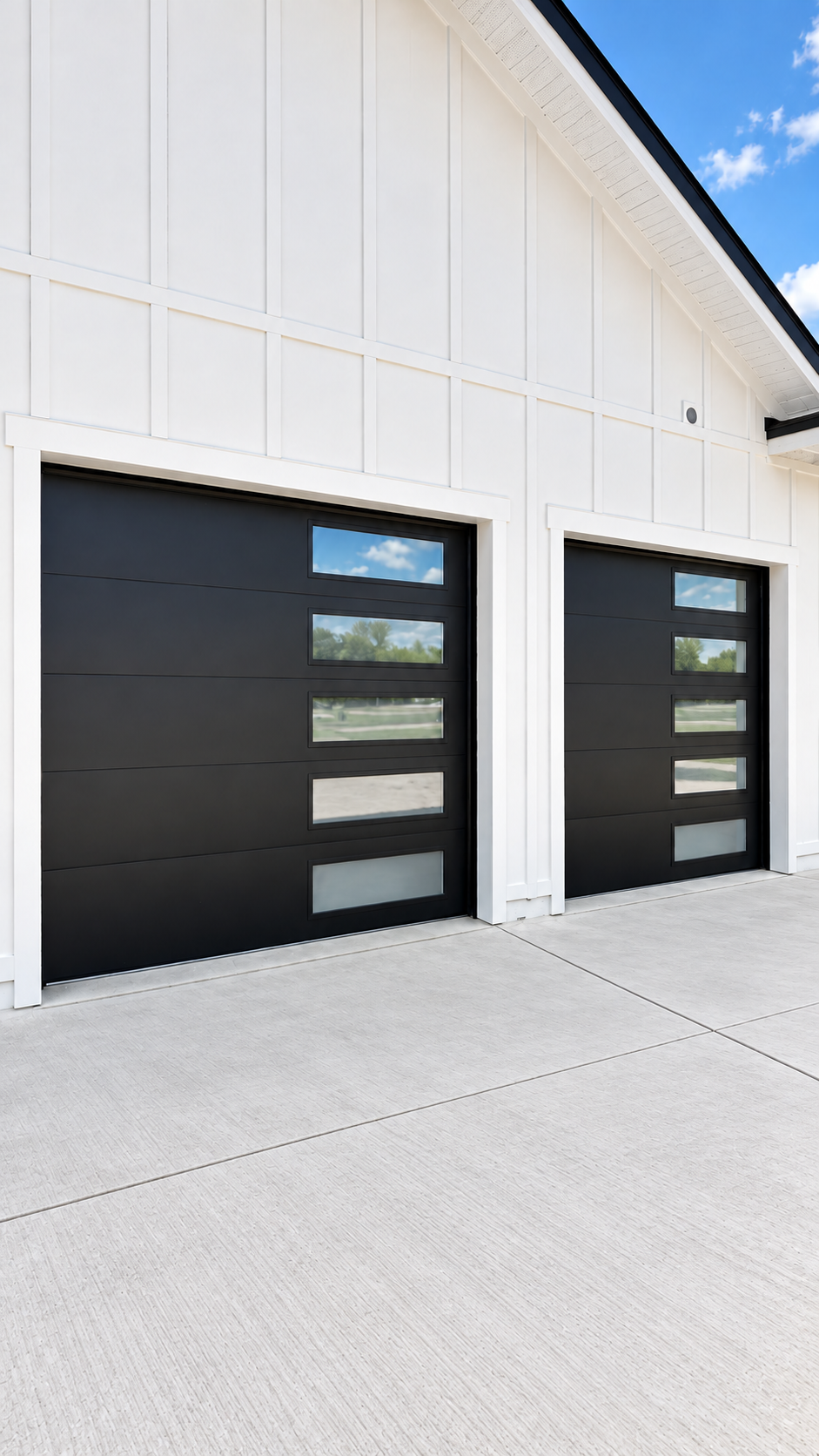
Garage door opener service is the on-site repair or installation of the motorized unit that lifts and lowers your door — the opener motor, its drive system, the remotes and wall controls, and the safety sensors that stop the door from closing on an obstruction. When the opener fails, the door may not respond to remotes, reverse before closing, or make unusual noises. Compres Garage Doors services and installs garage door openers at your property across Central Florida, from Poinciana to Sanford. This guide explains what opener service includes, the signs that mean you need it, and when to call for a visit.
A garage door opener is the motorized unit that does the lifting for you. It sits above the door or hangs from the ceiling, and it works with the springs — the springs carry the door's weight, and the opener provides the motion. When the opener works, you press a button and the door moves. When it doesn't, the door may not respond, may reverse unexpectedly, or may make noises that signal a problem with the motor, the drive, or the safety system.
This article is general education about garage door openers and opener service. It describes what a technician can inspect and service on site, but it doesn't diagnose your specific opener — that comes from an in-person inspection. If your door seems unsafe at any point, stop using it and request service.
What garage door opener service includes
Opener service is broader than people expect. A service visit covers the full opener system, not just the motor. Here's what a technician can inspect and service on site:
- The opener motor — the unit that powers the door's motion.
- The drive system — the belt, chain, or screw drive that transfers the motor's power to the door.
- Remotes and wall controls — the wireless remotes and the wall-mounted button that command the opener.
- Safety reversal sensors — the photoelectric sensors near the floor that reverse the door if something is in the way.
- Travel and force limits — the settings that control how far the door travels and how much force the opener applies.
- Wiring and mounting — the electrical connections and the hardware that holds the opener in place.
- The receiver and logic board — the electronics that interpret remote signals and control the motor.
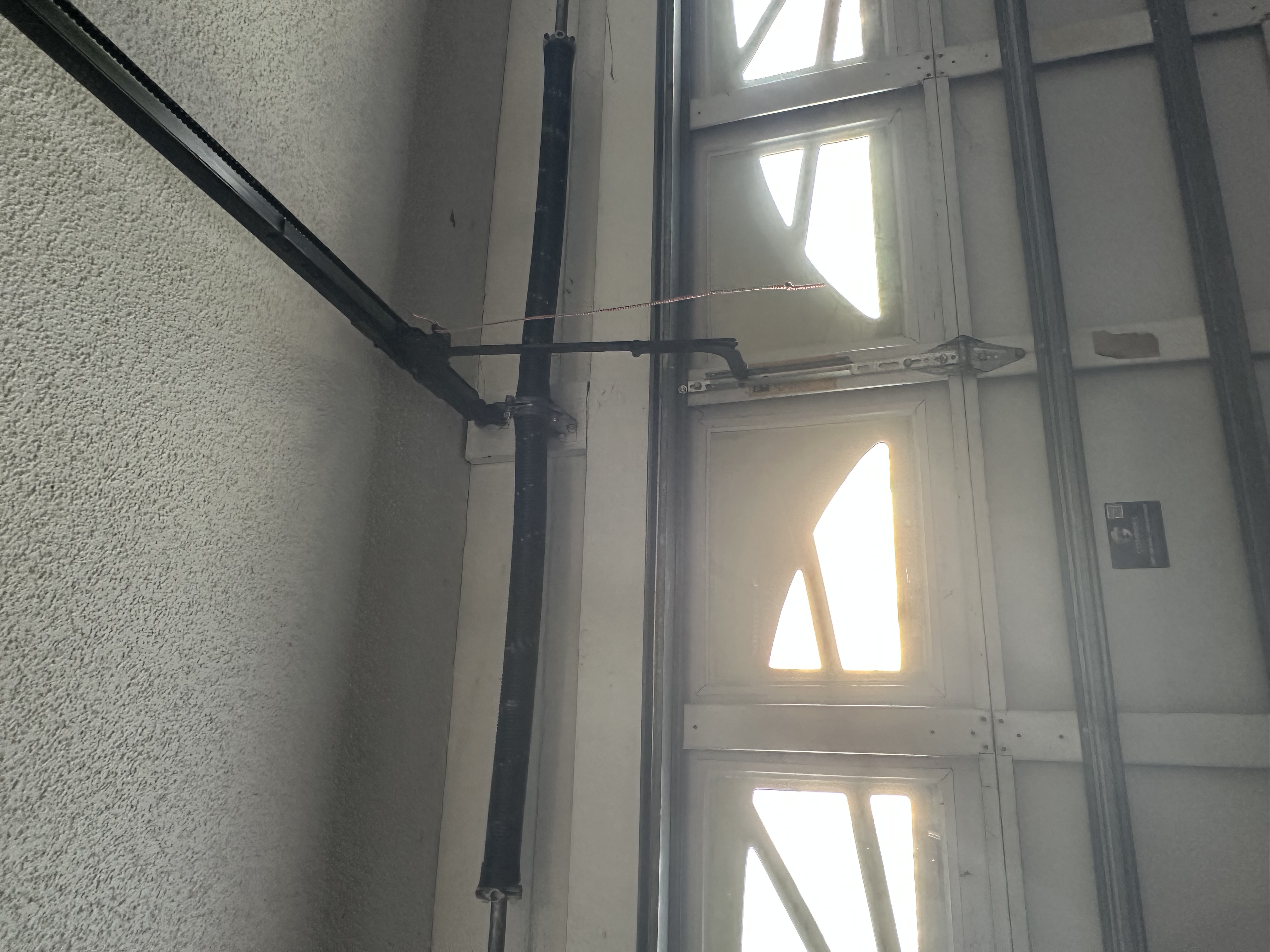
Because the opener works with the door's springs and tracks, a symptom that looks like an opener problem can actually be a spring or track issue. A door that's too heavy for the opener to lift may have a broken spring, not a bad motor. A technician inspects the whole system on site before recommending a repair.
Who garage door opener service is for
Opener service serves both residential and commercial customers. For homeowners, opener problems usually mean the door won't respond to the remote, reverses before closing, or makes grinding noises. For businesses, a commercial opener that fails can halt loading dock operations or close off a service bay.
Compres Garage Doors works on both residential and commercial openers at your property across the confirmed service area. Commercial openers are typically heavier-duty units rated for higher cycle counts, but the principle is the same: the opener provides the motion, and when it fails the door doesn't move the way it should.
If you're not sure whether your problem is the opener, the springs, or something else, that's fine. Describe what you're experiencing when you call — the door won't respond, it reverses, it's noisy — and the technician confirms the cause on site.
Signs you may need opener service
Most opener problems start with one of these recognizable signs. None is a diagnosis on its own, but together they point to the opener system that needs attention.
- The opener runs but the door doesn't move — the motor runs but the door stays put.
- Remotes work intermittently or not at all, while the wall button may or may not work.
- The wall button doesn't respond, even though remotes may work.
- The opener stops and reverses before the door closes.
- Unusual noises from the opener motor or drive — grinding, humming, or rattling.
- The opener light blinks a pattern when the door reverses.
- The door only closes while you hold the wall button.
Some of these point to the opener itself, and some point to the safety sensors or the door's springs. The next section explains why that distinction matters.
Why the same symptom can have different causes
One of the confusing things about opener problems is that very different issues can produce the same symptom. A door that won't move could have a broken spring, a stripped gear, a disconnected drive, a dead remote, or a tripped safety sensor. The symptom alone doesn't tell you which.
This matters because the right fix depends on the cause. If the door won't move because a spring broke, replacing the opener won't help — the door is too heavy for any opener to lift unassisted. If it won't move because the remote battery died, that's a simple swap. A technician tests each component on site to find the real cause rather than guessing from the symptom.
It's also why a clear description helps when you call. You don't need to know the cause — describing what you see and hear ("the motor runs but the door doesn't move" or "the light blinks three times and the door reverses") gives the technician a useful starting point for the inspection.
What you can safely observe yourself
There's a useful line between observing your opener and servicing it. You can safely observe a lot; you should not attempt to service the opener's electrical or drive components yourself.
Safe to observe
- Whether the door responds to the remote, the wall button, or both.
- Whether the opener motor runs when you press a button.
- Whether the opener light blinks a pattern when the door reverses.
- Whether the door reverses before closing or only closes while you hold the button.
- Whether anything is blocking the safety sensors near the floor.
- Whether the opener makes new noises — grinding, humming, or rattling.
Not safe to handle
The opener is an electrical device with moving drive components. Don't attempt to adjust the travel or force limits, disassemble the motor housing, or rewire the opener. If the door seems unsafe — it reverses unexpectedly, won't stay closed, or seems to fall — stop using it and request service. A technician can inspect the opener and the door's springs and tracks on site.
When a professional opener service visit is appropriate
A service visit is the right next step whenever an opener symptom points to a component you can't safely inspect yourself, or whenever the door seems unsafe. That includes a door that won't respond to remotes, reverses before closing, only closes while you hold the button, or makes grinding noises from the motor.
It's also appropriate for problems that aren't dangerous but are getting worse — an opener that's become noisy or slow over time. Catching wear early often means a smaller repair before it adds strain to the door's springs and tracks.
You don't need to know what's wrong before you call. A technician inspects the opener and the door's components on site, explains what they find, and recommends the right service. If you'd like to request a visit, see our garage door opener repair and installation page.
Request garage door opener service
What an opener service visit generally considers
When a technician arrives, the inspection follows the opener system rather than the single symptom. A typical opener service visit considers:
- The motor — whether it runs and whether it has the power to lift the door.
- The drive — whether the belt, chain, or screw drive moves smoothly and transfers power to the door.
- The remotes and wall button — whether they command the opener and whether the receiver picks up the signal.
- The safety sensors — whether they're aligned, clean, and reversing the door properly.
- The travel and force limits — whether the door travels the full distance and applies the right force.
- The door's springs and balance — because a heavy door can strain or stall the opener even when the opener is fine.
After the inspection, the technician explains what they found and recommends the right service. That recommendation is based on what's actually wrong on site, not a guess from the symptom you described on the phone.
Repair, maintenance, and replacement — knowing the difference
Not every opener service call is a repair. It helps to know how repair, maintenance, and replacement differ so you know what to expect.
- Repair fixes a specific failed component — a stripped gear, a worn belt, a faulty remote, a misaligned sensor — to get the opener working again.
- Maintenance inspects and tunes the opener and the door's moving parts before something fails, often including lubrication and limit checks.
- Replacement installs a new opener when the existing one is too old, too worn, or too damaged to repair economically — or when you want features the current opener doesn't have.
An opener service visit may recommend maintenance or replacement if the inspection finds more than the original problem. For example, a call about a noisy opener might reveal a worn drive belt that should be replaced. See our garage door maintenance page for what a maintenance visit can include.
Learn about garage door maintenance
How to request opener service in Central Florida
If you recognize any of the signs in this guide, the next step is to call. Compres Garage Doors services and installs garage door openers at your property across Central Florida, from Poinciana to Sanford. Call (689) 200-9378 or request service online, describe what you're experiencing, and we'll confirm coverage at your address and schedule a visit.
Service availability depends on the specific address, so confirming coverage when you call is the surest way to know we can reach you. You can also browse our service areas to see the communities we serve.
View our service areas
Frequently asked questions
What does garage door opener service include?
It covers the opener motor, the drive system (belt, chain, or screw), the remotes and wall controls, the safety sensors, and the travel and force limits. A service visit inspects the whole opener system on site, not just the part that seems broken.
Why does my opener run but the door doesn't move?
This can be a stripped gear, a broken belt or chain, or a broken spring that makes the door too heavy for the opener to lift. A technician inspects the opener and the door's springs on site to find the real cause.
Do you repair both residential and commercial openers?
Yes. Compres Garage Doors works on residential and commercial garage door openers at your property across the confirmed service area, from Poinciana to Sanford.
Do I need to know what's wrong before I call?
No. Describe what you see — the door won't respond, it reverses, it's noisy — and the technician inspects the opener and the door's components on site to find the actual cause.
Why does my door reverse before it closes?
This is often a safety-sensor issue, but it can also be travel or force settings. A technician checks the sensors and opener settings on site to confirm the cause.
Do you install new openers?
Yes. When a new opener is the right solution, Compres Garage Doors installs replacement openers for residential and commercial doors across the confirmed service area.
Where do you provide garage door opener service?
Across Central Florida, from Poinciana to Sanford. Service availability depends on the specific address, so confirm coverage when you call.
Opener not responding? Let's get your door moving again.
Call Compres Garage Doors at (689) 200-9378 or request service online. We repair and install garage door openers at your property across Central Florida, from Poinciana to Sanford.
This article is general education about garage door openers and does not diagnose your specific opener. An on-site inspection confirms the actual cause. The opener is an electrical device — don't attempt to service its internal components yourself.