
How to Prepare for a Garage Door Repair Visit
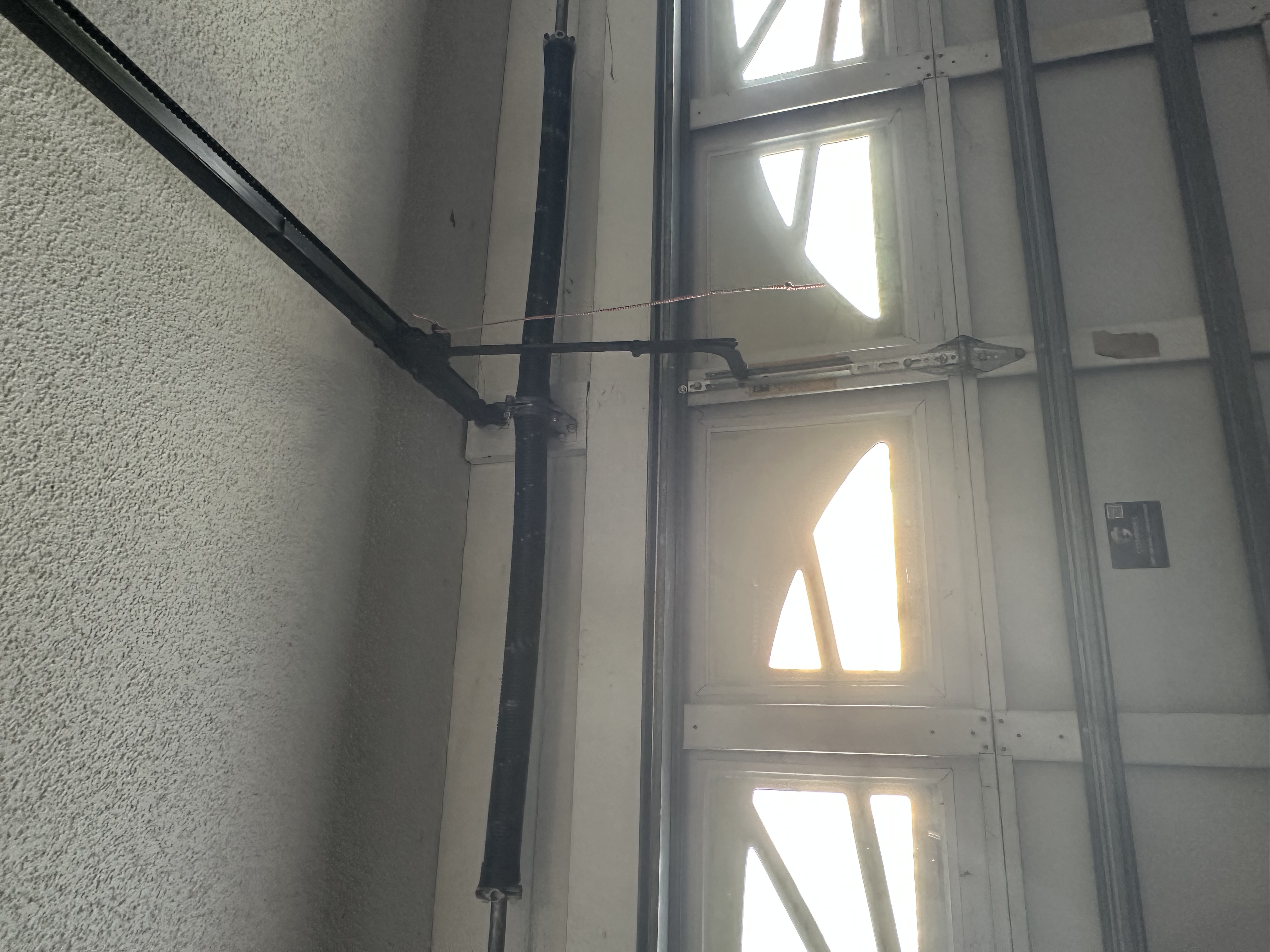
Preparing for a garage door repair visit is straightforward, and a little preparation helps the technician work efficiently and give you a clear recommendation. Compres Garage Doors is a mobile service business, so the technician comes to your home or business across Central Florida, from Poinciana to Sanford. Here's what to have ready, what happens during the visit, and what to ask once it's done.
A garage door repair visit is most productive when the technician can reach the door, see how it behaves, and talk with you about what you've noticed. Most of the preparation is common sense: clear the area, have your information ready, and be available to answer questions. None of it requires tools or technical knowledge on your part.
If you've already requested service, this guide helps you get ready. If you haven't, you can call (689) 200-9378 or request service online to schedule a visit within our confirmed coverage area.
What to have ready before the technician arrives
A few simple steps make the visit smoother and safer. You don't need to diagnose anything — just make the door accessible and gather the basics.
- Clear the area around the door — move vehicles, bins, and stored items so the technician can reach the door, tracks, and opener safely.
- Make sure there's a clear path from where the technician parks to the garage.
- Have your description of the problem ready — when it started, what the door does, and anything that changed recently.
- Keep any remotes and the wall button accessible, since the technician may test them.
- If you have a photo of visible damage, share it when you request service or have it ready on your phone.
- Note your property type — residential or commercial — and your address so we can confirm coverage.
What to expect during the visit
A repair visit follows a predictable flow. Knowing what happens helps you feel prepared and lets you follow along with the technician's findings.
1. Discussion
The visit starts with a conversation. The technician asks what you've noticed, when it started, and whether anything changed. This is where your preparation pays off — a clear description gives the technician a useful starting point.
2. Inspection
The technician inspects the door and its components on site. That can include observing how the door moves, checking the tracks, rollers, hinges, cables, and springs, and testing the opener, remotes, and safety sensors. The inspection happens where the door operates, so the technician sees the real conditions.
3. Recommendation
After the inspection, the technician explains what they found and recommends the right service. That includes what needs repair now, what can wait, and what may need service soon. You get a clear explanation, not a guess, and you can ask questions before any work proceeds.
4. Service
If you approve the recommended service, the technician performs the repair on site. The scope depends on what the inspection found — it could be a spring replacement, a roller service, an opener adjustment, or another targeted repair.
Information that helps the technician
The more context you can provide, the more efficiently the visit goes. These details are especially useful:
- When the problem started and whether it came on suddenly or gradually.
- Whether anything happened recently — a storm, an impact, a power outage, or new noise.
- Whether the door has been serviced before and what was done, if you know.
- Whether the problem happens every time or only sometimes.
- Whether remotes, the wall button, or both are affected.
You don't need all of this — even a basic description is enough to start. But if you have the details, they help the technician narrow the inspection quickly.
What to ask after the visit
Once the inspection or repair is done, a few questions help you understand the work and what comes next:
- What was causing the problem, and is it fully addressed?
- Are there other parts showing wear that may need service soon?
- What can I do to keep the door running smoothly between visits?
- When should I consider the next maintenance visit?
- If a part was replaced, is there anything I should watch for as it settles in?
A good technician welcomes these questions. The visit isn't just about fixing the immediate issue — it's about leaving you with a clear understanding of your door's condition.
Aftercare and routine use
After a repair, the door should return to smooth, safe operation. There's usually nothing you need to do beyond normal use, but a few habits help:
- Watch and listen for the first few cycles — if the door behaves differently than expected, note it.
- Avoid forcing the door if it ever feels stuck or heavy; request service instead.
- Keep the area around the sensors clear so the safety reversal works correctly.
- Consider a maintenance visit to catch wear early — see our garage door maintenance page.
Learn about garage door maintenance
Scheduling your visit
Preparing is simple, and so is scheduling. Call Compres Garage Doors at (689) 200-9378 or request service online. Tell us what you're experiencing and where your property is, and we'll confirm coverage within the Poinciana-to-Sanford area and schedule the visit. With a little preparation, the technician can get straight to inspecting your door and giving you a clear recommendation.
Frequently asked questions
Do I need to move my car out of the garage before the visit?
It helps. Clearing the area around the door lets the technician reach the tracks, springs, and opener safely. If the door won't open, let us know when you schedule.
Should I try to open the door to show the technician the problem?
Only if it's safe. If the door seems off track, heavy, or unstable, leave it as it is. Forcing an unsafe door can cause further damage or injury.
How long does a repair visit take?
It varies with the issue. An inspection and simple repair may be quick, while a spring replacement or multi-part repair takes longer. The technician can give you a sense once they see the door.
Do I need to be home during the visit?
Yes, someone who can describe the problem and approve any recommended service should be available. The visit starts with a discussion of what you've noticed.
What if the technician finds more than one problem?
They explain each issue, what needs attention now, and what can wait. You decide what to approve based on that clear recommendation.
Will the technician need access to the opener and remotes?
Often, yes. Keep remotes and the wall button accessible, since the technician may test them as part of diagnosing opener or sensor issues.
Ready to schedule your repair visit?
Call Compres Garage Doors at (689) 200-9378 or request service online. We come to your property across Central Florida, from Poinciana to Sanford, and give you a clear on-site recommendation.
This article offers general guidance on preparing for a repair visit and does not address your specific door's condition. An on-site inspection provides the actual recommendation.