
Garage Door Opener Maintenance and How to Make It Last
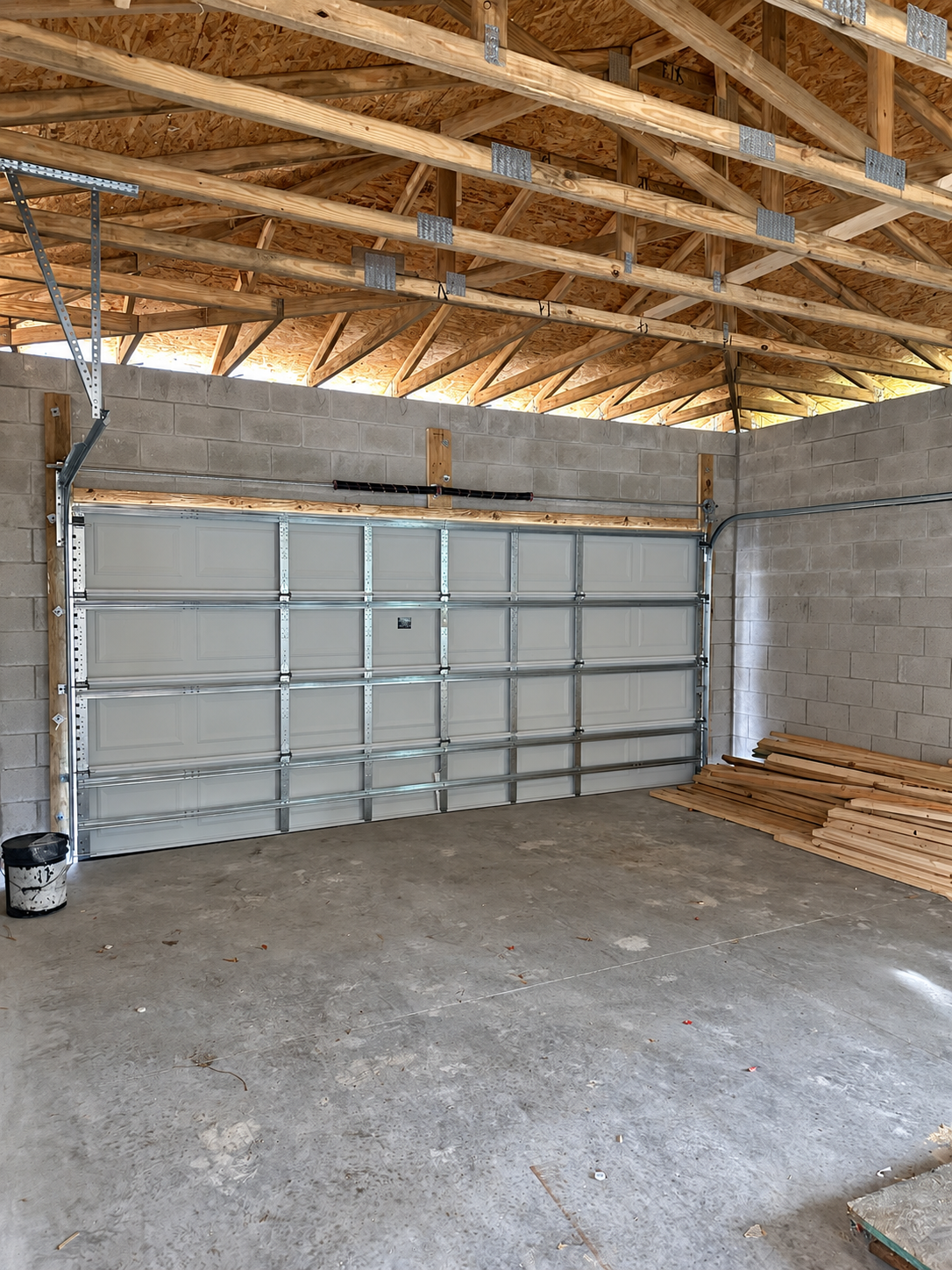
Garage door openers are durable, but they don't last forever — and they work hardest when the door's springs and tracks aren't maintained. Good habits and regular maintenance help an opener last its full service life and catch wear before a failure leaves your door stuck. Compres Garage Doors performs maintenance visits at your property across Central Florida, from Poinciana to Sanford. This guide explains what you can safely do yourself, what to watch for, and when to call a technician.
An opener's longevity depends on two things: the opener itself and the door it operates. The springs carry the door's weight, and the opener provides the motion. If the springs are worn or the door is out of balance, the opener works harder and wears faster. That's why opener maintenance and door maintenance go hand in hand — maintaining the door's moving parts helps the opener last.
This article covers what you can safely do to support your opener, what to watch for, and what only a technician should handle. The opener is an electrical device, and the maintenance a homeowner can safely perform is limited — but the observations you can make are valuable.
What you can safely do yourself
The safe, homeowner-level maintenance for an opener is mostly about observation and habits, not hands-on service. Here's what you can do without opening the opener housing:
- Listen to the opener — new grinding, humming, or rattling sounds can signal a worn drive or motor bearing.
- Watch the door's motion — if it's become jerky, slow, or uneven, the opener may be straining against a door that needs service.
- Keep the safety sensors clear — make sure nothing blocks the photoelectric sensors near the floor, since obstructions cause false reversals.
- Test the reversal — place a roll of paper towels under the door and close it; the door should reverse when it touches the obstruction. If it doesn't, request service.
- Replace remote batteries when remotes become weak or unresponsive.
- Keep the wall button accessible and clean.
The safety-sensor reversal test is the single most important thing you can do. It confirms the door's safety system is working — and if it isn't, that's a clear sign to call for service. A door that doesn't reverse on an obstruction is a safety hazard.
What a technician does during opener maintenance
The hands-on opener maintenance that extends opener life and catches wear is technician work, because it involves the opener's drive and the door's moving parts. A maintenance visit can include:
- Inspecting the drive belt or chain for wear, tension, and lubrication.
- Lubricating the door's rollers, hinges, and springs — because a smooth door reduces strain on the opener.
- Testing the door's balance — because an unbalanced door forces the opener to work harder.
- Checking and adjusting the travel and force limits so the door travels the full distance and applies the right force.
- Testing the safety reversal sensors for proper alignment and function.
- Inspecting the opener mounting and hardware for secure installation.
- Checking the remotes and wall button for reliable operation.
- Recommending service if the opener shows signs of wear that maintenance can't address.
The door's balance is the factor that most directly affects opener life. If the door is too heavy for the opener — usually because the springs are worn — the opener strains on every cycle and wears faster. A maintenance visit tests the balance and recommends spring service if needed. See our garage door maintenance page for what a full maintenance visit includes.
Learn about garage door maintenance
Wear signs to watch for
Openers usually give warning signs before they fail. Catching these signs early can mean a small repair instead of a full replacement. Watch for:
- New noises from the opener — grinding, humming, or rattling that wasn't there before.
- The opener runs but the door moves slowly or unevenly.
- The door reverses before closing or only closes while you hold the button.
- Remotes work intermittently or only at close range.
- The opener struggles to lift the door or seems to work harder than it used to.
- The opener light blinks a pattern when the door reverses.
- The opener is old — 10 to 15 years or more — even if it still works.
If you notice any of these, it doesn't mean the opener is about to fail — but it does mean a technician should take a look. A maintenance or inspection visit can assess whether the opener has useful life left or whether replacement makes sense.
How opener life and usage affect longevity
Opener life depends on the opener's quality, how often the door cycles, and how well the door is maintained. Here's how it breaks down:
- Opener lifespan: many openers last 10 to 15 years with good maintenance.
- Drive type: belt drives are quieter and often last longer than chain drives, which are more durable but noisier.
- Door balance: a well-balanced door lets the opener work less, extending its life.
- Usage: a door that cycles dozens of times a day wears the opener faster than one that cycles twice.
The biggest factor in opener life that you can influence is the door's balance. If the springs are worn and the door is heavy, the opener works harder on every cycle. Maintaining the springs — through regular maintenance visits — helps the opener last its full service life.
What maintenance can and cannot address
Maintenance is preventive, not restorative. It helps the opener last its full service life and catches wear early, but it can't add years to an opener that's already near the end. Here's what maintenance can and can't do:
Maintenance can help with
- Reducing strain on the opener by keeping the door balanced and lubricated.
- Catching a worn drive belt or failing sensor before a failure.
- Identifying a door that's too heavy for the opener due to worn springs.
- Recommending proactive replacement before the opener fails completely.
Maintenance cannot
- Extend an opener past its service life — openers wear out and eventually need replacement.
- Repair a failed motor or logic board — that requires a repair visit, not maintenance.
- Reverse internal wear that's already occurred in the motor or drive.
The value of maintenance is catching problems early and helping the opener reach its full service life. It's not a guarantee against eventual replacement.
How often to schedule maintenance
Many doors and openers benefit from a maintenance visit each year, though usage and condition matter. A door that cycles heavily, or one in a humid environment like Central Florida, may benefit from more frequent attention. A technician can advise based on what they find on site — the door's balance, the opener's condition, and how the door is used.
If you're not sure when the opener was last inspected, that's a good reason to schedule a maintenance visit. The technician assesses the opener and the door, lubricates the moving parts, and tells you whether the opener has plenty of life left or whether replacement is worth planning for.
When to call for opener service
Maintenance catches wear early, but some signs mean it's time to call for service rather than wait for the next maintenance visit:
- The door won't respond to remotes or the wall button.
- The opener runs but the door doesn't move.
- The door reverses before closing or won't close unless you hold the button.
- The opener makes loud grinding or humming noises.
- The door seems to fall or won't stay closed.
If you notice any of these, request opener service. Compres Garage Doors services and installs openers at your property across Central Florida, from Poinciana to Sanford. Call (689) 200-9378 or request service online.
Request garage door opener service
Frequently asked questions
How long do garage door openers last?
Many openers last 10 to 15 years with good maintenance. A technician can assess your opener on site and advise on remaining life. The door's balance affects opener life — a heavy door wears the opener faster.
Can I lubricate the opener myself?
It's safest to have a technician lubricate the opener's drive and the door's moving parts as part of a maintenance visit. The safe homeowner-level maintenance is the safety-sensor reversal test, keeping sensors clear, and replacing remote batteries.
How do I test the safety reversal?
Place a roll of paper towels under the door and close it with the opener. The door should reverse when it touches the obstruction. If it doesn't, the safety sensors need service — request a visit.
Does maintaining the door help the opener last?
Yes. The springs carry the door's weight, and the opener provides the motion. If the springs are worn and the door is heavy, the opener works harder and wears faster. Maintaining the door's moving parts reduces strain on the opener.
How often should I have my opener maintained?
Many doors and openers benefit from a maintenance visit each year, though heavy-use doors may need more frequent attention. A technician can advise based on the opener's condition and how the door is used.
Is a noisy opener a sign it needs service?
It can be. New grinding, humming, or rattling from the opener can signal a worn drive or motor bearing. A technician can inspect the opener on site and recommend whether service or replacement makes sense.
Want to keep your opener running its full life?
Call Compres Garage Doors at (689) 200-9378 or request service online. We maintain and repair garage door openers at your property across Central Florida, from Poinciana to Sanford.
This article is general education about garage door opener maintenance and does not diagnose your specific opener. The opener is an electrical device — don't attempt to service its internal components yourself. An on-site inspection provides the actual recommendation.