
Garage Door Maintenance Tips to Prevent Repairs
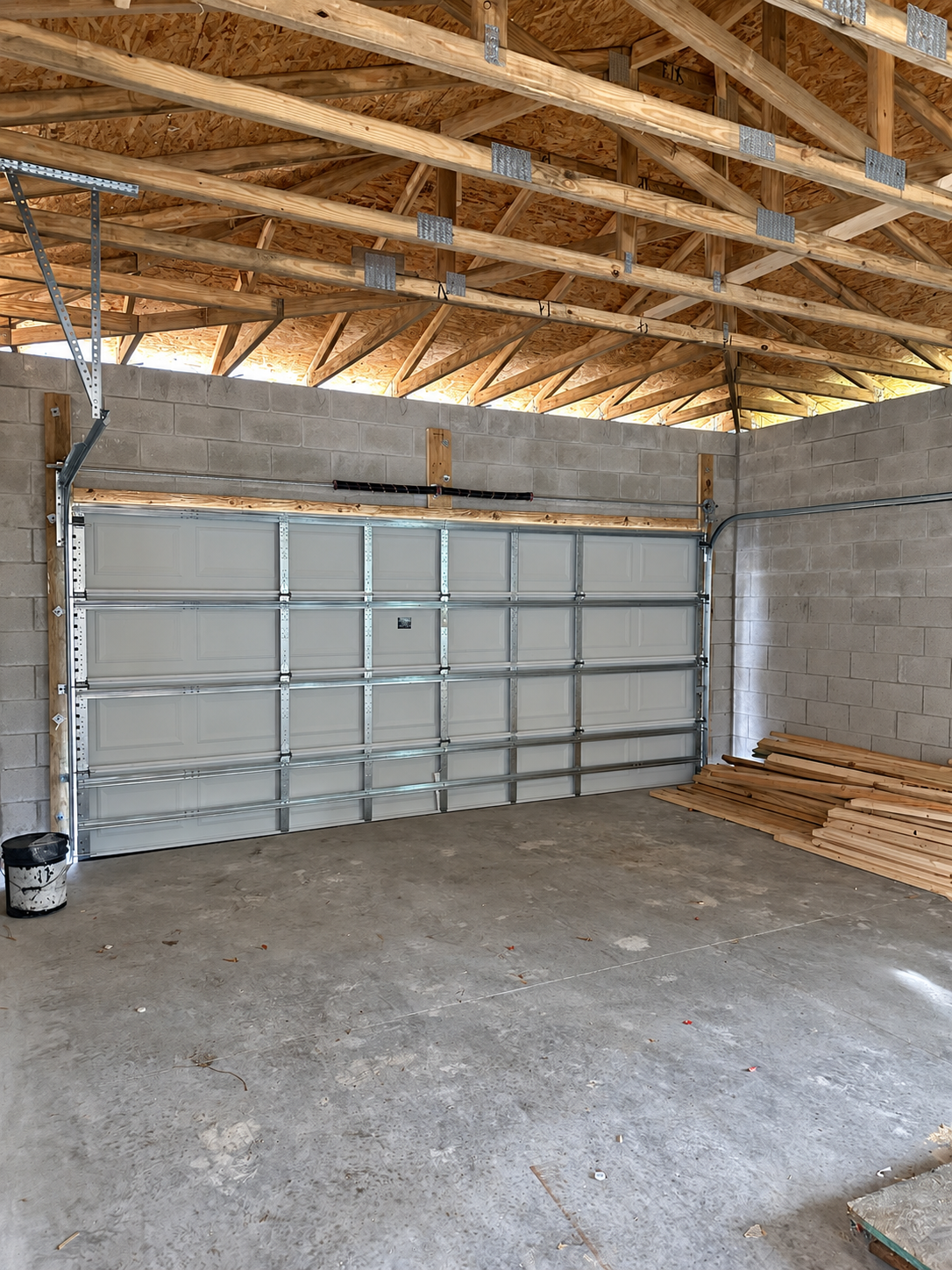
Garage door maintenance is the routine care that keeps your door moving smoothly and helps catch wear before it becomes a repair. Some maintenance is simple enough to observe yourself, while other tasks — anything involving springs, cables, or heavy components — should be left to a technician. Compres Garage Doors performs maintenance visits at your property across Central Florida, from Poinciana to Sanford, and this guide explains what helps, what to watch for, and what to leave to a professional.
A garage door is one of the largest moving parts in a home or business, and it cycles hundreds of times a year. That repeated motion creates wear on rollers, hinges, springs, and cables. Maintenance addresses that wear early — before it turns into noise, rough travel, or a failure that needs a repair visit.
The good news is that most maintenance is about observation and routine care, not complicated work. Knowing what you can safely do, what to watch for, and when to call a technician keeps your door reliable without putting you near hazardous components.
What you can safely observe and do
There's a useful line between routine observation and hands-on service. You can do a lot from the ground to keep an eye on your door's condition without touching any high-tension parts.
Watch and listen during normal use
The easiest maintenance is paying attention. As the door opens and closes, notice how it sounds and moves. A change — new squeak, a grind, a hesitation, or uneven travel — is often the first sign that a part needs attention. Catching it early lets you request service before a small wear issue becomes a larger repair.
Keep the tracks clear
Debris in the tracks can affect how the rollers travel. You can gently clear leaves, dirt, or cobwebs from the visible track sections with a dry cloth. Don't try to adjust, bend, or lubricate the tracks yourself — track alignment is part of a professional service.
Keep the sensor area clear
The safety sensors near the floor need a clear line of sight to work. Keep boxes, bins, and stored items away from the sensor lenses. If the door reverses for no obvious reason, a blocked or bumped sensor is a common cause — see our garage door sensor repair page for more.
Read about garage door sensor repair
Test the door's balance visually
You can observe whether the door travels evenly and sits level in the opening. If one side hangs lower or the door looks crooked, that's a sign to call for service — it can point to a spring or cable issue. Don't try to lift or balance the door yourself.
What to leave to a technician
Some maintenance tasks are hazardous and should only be handled by a technician with the right tools. The risk isn't worth the savings, because these components are under high tension or carry the door's full weight.
- Springs — torsion and extension springs are under high tension and can cause serious injury if mishandled. Never adjust, lubricate, or remove a spring yourself.
- Cables — the steel cables work with the springs and are under load. A frayed or broken cable should be serviced, not touched.
- Lifting the door by hand to test balance — if the door feels heavy or won't stay up, that's a sign to call, not to keep lifting.
- Track adjustment — bending or loosening tracks can throw off the door's travel and create a safety risk.
- Opener disassembly — internal opener service is best left to a technician who can test it safely.
What a professional maintenance visit includes
A maintenance visit from Compres Garage Doors addresses the parts that need trained hands and tools. It's preventive — the goal is to keep the door running smoothly and catch wear early, not to wait for a failure.
- Lubrication of rollers, hinges, and springs to reduce friction and noise.
- Hardware tightening and inspection of fasteners, brackets, and moving parts.
- Door balance and spring tension check so the door lifts evenly.
- Opener and safety-sensor test to confirm safe reversal.
- Recommendations for any parts showing wear that may need service soon.
Because maintenance catches wear early, it can reduce the chance of a sudden failure — but it can't prevent all repairs. Parts still wear over time, and a maintenance visit may identify a part that needs service soon. That's useful information, not a sign the visit failed. See our garage door maintenance page to schedule.
Schedule garage door maintenance
How often to maintain your door
Many doors benefit from a maintenance visit each year, though the right frequency depends on use and condition. A door that cycles several times a day — like a busy household or a commercial overhead door — may need more frequent attention than one used occasionally. A technician can advise based on what they find on site.
Seasonal changes can also matter in Central Florida. Humidity and temperature swings affect metal components and lubrication, so a visit before the heavier-use months can be a good rhythm. You don't need a fixed schedule — you need one that matches how your door is actually used.
Signs that maintenance isn't enough
Sometimes a symptom means a part needs repair or replacement, not just maintenance. If you notice any of these, it's time to request service rather than wait for the next maintenance visit:
- A loud bang from above the door — a common sign of a broken spring.
- The door won't open or close, or stops and reverses partway.
- The door feels heavy or won't stay up when lifted.
- A visible gap in a torsion spring or a frayed cable.
- The door is off its tracks or sits crooked in the opening.
These are repair situations, and a technician can inspect and address them on site. Maintenance helps prevent some of them, but it can't undo a part that's already failed.
Building a simple maintenance habit
The most effective maintenance habit is simple: pay attention, keep the area clear, and schedule a professional visit that matches your door's use. Combine that with prompt service when something changes, and your door stays reliable without you taking on hazardous work.
To schedule a maintenance visit, call Compres Garage Doors at (689) 200-9378 or request service online. We work at your property across Central Florida, from Poinciana to Sanford, and tailor the visit to what your door actually needs.
Frequently asked questions
Can I lubricate my garage door myself?
You can clear the tracks and keep the sensor area clear, but lubricating springs, hinges, and rollers is best done by a technician. Springs are under high tension and shouldn't be handled yourself.
How often should I have my garage door maintained?
Many doors benefit from a maintenance visit each year, but use and condition matter. A technician can advise based on what they find on site.
Will maintenance prevent all repairs?
No. Maintenance catches wear early and keeps the door running smoothly, but parts still wear over time. A visit may identify a part that needs service soon — useful information, not a failure.
What's the most important thing I can do myself?
Pay attention. A change in sound or movement is often the first sign of wear. Catching it early lets you request service before a small issue becomes a larger repair.
Is it safe to test my door's balance by lifting it?
If the door feels heavy or won't stay up, stop and call for service. Don't keep lifting or forcing it — that can point to a spring or cable issue that needs a technician.
Do commercial doors need different maintenance?
Commercial doors get heavier use, so their springs, rollers, and openers wear faster. The maintenance tasks are similar but may need to be more frequent. See our commercial garage door service page.
Time for a maintenance visit?
Call Compres Garage Doors at (689) 200-9378 or request service online. We maintain residential and commercial garage doors at your property, from Poinciana to Sanford, Florida.
This article provides general maintenance guidance and does not address your specific door. Springs, cables, and heavy components should only be serviced by a technician with the right tools.