
Common Garage Door Opener Problems and When to Call
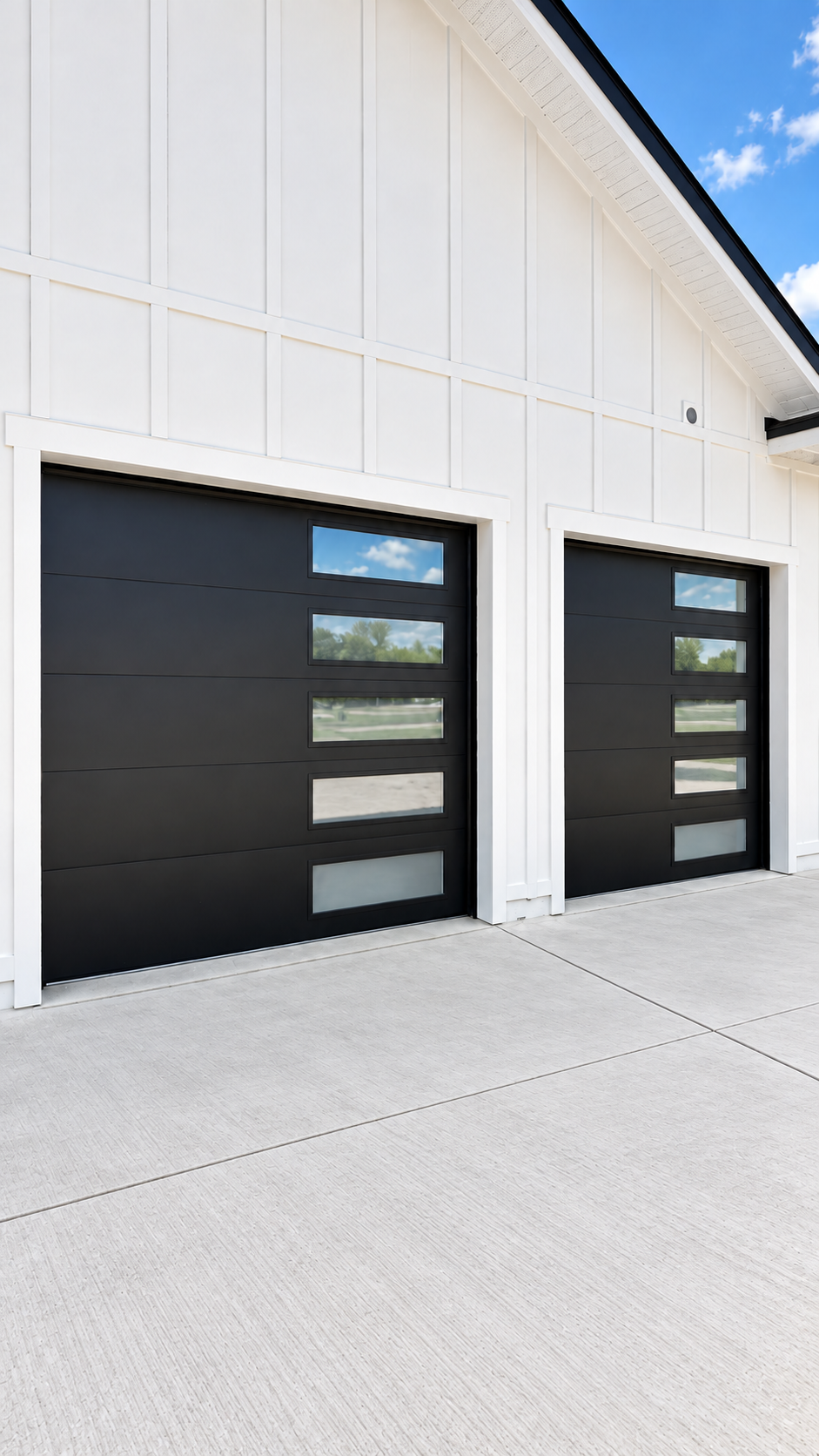
Garage door opener problems are common, and most announce themselves with clear signs — a door that won't respond to remotes, reverses before closing, or makes grinding noises. The good news is that most opener problems are serviceable, and catching them early often means a smaller repair. This guide covers the common opener problems, what to do, what to avoid, and when to call Compres Garage Doors for service across Central Florida, from Poinciana to Sanford.
An opener is a motorized system with a drive, electronics, and safety sensors — and any of those can fail. The tricky part is that the same symptom can come from very different causes. A door that won't move could have a broken spring, a stripped gear, a disconnected drive, or a dead remote. Recognizing the common problems — and knowing what to do and what not to do — keeps you safe and helps the technician diagnose the issue quickly.
This article describes common opener problems as possibilities, not a remote diagnosis of your door. If your door seems unsafe, stop using it and request service. A technician inspects the opener and the door's components on site and confirms the actual cause.
The opener runs but the door doesn't move
This is one of the most common opener complaints, and it has several possible causes. The motor runs — you hear it — but the door stays put. The cause could be:
- A broken spring — the door is too heavy for the opener to lift, so the motor runs but can't move it.
- A stripped gear inside the motor head — the motor runs but doesn't transfer power to the drive.
- A broken or disconnected drive belt or chain — the motor runs but the drive doesn't pull the door.
- A door that's come off its tracks — the opener can't move a door that's jammed in the tracks.
Because a broken spring is a common cause, this symptom often isn't an opener problem at all — it's a spring problem. A technician inspects both the opener and the springs on site to find the real cause. See our garage door spring repair page for more on spring problems.
Learn about garage door spring repair
The door reverses before closing
A door that starts to close and then reverses is usually a safety-sensor or force-setting issue. The opener's safety system is doing its job — it thinks something is in the way — but the cause could be:
- Misaligned safety sensors — the photoelectric sensors near the floor aren't pointing at each other.
- Dirty sensor lenses — dust or cobwebs block the sensor beam.
- An obstruction in the door's path — even a small object can trigger the reversal.
- Force settings that are too low — the opener reverses because it senses too much resistance.
- A faulty sensor or wiring issue — the sensor or its wiring has failed.
If the opener light blinks a pattern when the door reverses, that's the opener's way of signaling a sensor issue. The number of blinks can indicate the specific problem on some models. A technician checks the sensors, their alignment, and the opener settings on site to confirm the cause.
Remotes don't work or work intermittently
Remote problems are common and often simple. If remotes don't work or only work at close range, the cause could be:
- Dead remote batteries — the most common cause.
- A remote that's lost its programming — it may need to be re-paired with the opener.
- A faulty remote — the remote itself has failed.
- A receiver issue in the opener — the opener isn't picking up the signal.
- Interference — other devices can sometimes interfere with remote signals.
If the wall button works but remotes don't, the problem is likely the remotes or the receiver, not the motor. If both the wall button and remotes don't work, the problem may be the opener itself. A technician tests each component on site to find the cause.
The opener is noisy
New noises from the opener can signal wear. Different noises point to different problems:
- Grinding — often a worn gear inside the motor head or a worn drive.
- Humming — the motor runs but the drive isn't transferring power, which can mean a stripped gear or broken belt.
- Rattling — loose hardware or a worn drive chain.
- Squeaking — often a dry drive or a door that needs lubrication, not necessarily an opener problem.
Some noises are normal — chain drives are noisier than belt drives by design. But new noises or noises that get louder over time are worth a service call. A technician can inspect the opener and the door on site and recommend whether service or replacement makes sense.
What to do when you notice an opener problem
If you notice an opener problem, here's what to do:
- Stop using the door if it seems unsafe — if it reverses unexpectedly, won't stay closed, or seems to fall.
- Note what you observed — the symptom, when it started, and whether remotes, the wall button, or both are affected.
- Check the safety sensors for obvious obstructions — but don't disassemble them.
- Try fresh batteries in a non-working remote — but don't reprogram the opener yourself if you're not sure how.
- Call Compres Garage Doors at (689) 200-9378 or request service online to schedule a visit.
The key is to treat a safety-related symptom — a door that won't stay closed or seems to fall — as a safety issue, not a convenience issue.
What to avoid
Some actions can make the situation worse or cause injury. Avoid these:
- Don't disassemble the opener motor housing — it's an electrical device with moving parts.
- Don't attempt to adjust the travel or force limits yourself — incorrect settings can make the door unsafe.
- Don't bypass the safety sensors — they're there to prevent the door from closing on a person, pet, or object.
- Don't run the opener repeatedly if the door won't move — you can burn out the motor.
- Don't stand or walk under a door that's stuck open — it can fall if a spring is broken.
The safest action is to stop using the door and call for service. A technician can inspect the opener, the sensors, and the door's springs and tracks on site and recommend the right repair.
When to stop using the door and call
Some situations are clear signs to stop using the door and call for service:
- The door won't respond to remotes or the wall button.
- The opener runs but the door doesn't move — which could be a broken spring.
- The door reverses before closing or won't close unless you hold the button.
- The door won't stay closed or seems to fall when you open it.
- The opener makes loud grinding noises.
- The door is crooked or has come off its tracks.
In any of these cases, the door may be unsafe to operate. Compres Garage Doors services and installs openers at your property across Central Florida, from Poinciana to Sanford. Call (689) 200-9378 or request service online, describe what you're experiencing, and we'll confirm coverage at your address and schedule a visit.
Request garage door opener service
Frequently asked questions
Why does my opener run but the door doesn't move?
This can be a broken spring that makes the door too heavy, a stripped gear, a broken belt or chain, or a door that's come off its tracks. A technician inspects the opener and the door's springs on site to find the real cause.
Why does my door reverse before it closes?
This is often a safety-sensor issue — misaligned or dirty sensors — but it can also be force settings. A technician checks the sensors and opener settings on site to confirm the cause.
Why won't my remotes work?
Common causes are dead remote batteries, a remote that's lost its programming, or a receiver issue in the opener. If the wall button works but remotes don't, the problem is likely the remotes or receiver. A technician tests each component on site.
Is a noisy opener a problem?
New noises — grinding, humming, or rattling — can signal a worn drive or motor bearing. Some noise is normal, especially on chain drives, but new or worsening noises are worth a service call.
Can I adjust the opener's force or travel limits myself?
It's not recommended. Incorrect force or travel settings can make the door unsafe — too much force can damage the door or injure someone, and wrong travel limits can prevent the door from closing fully. A technician adjusts them correctly on site.
Where do you provide garage door opener service?
Across Central Florida, from Poinciana to Sanford. Service availability depends on the specific address, so confirm coverage when you call (689) 200-9378.
Opener giving you trouble? Let's get it sorted.
Call Compres Garage Doors at (689) 200-9378 or request service online. We repair and install garage door openers at your property across Central Florida, from Poinciana to Sanford.
This article describes common garage door opener problems as possibilities and does not diagnose your specific opener. The opener is an electrical device — don't attempt to service its internal components yourself. An on-site inspection confirms the actual cause.